How Far is Olympic National Park from Seattle? Distance, Travel Time, and Best Routes

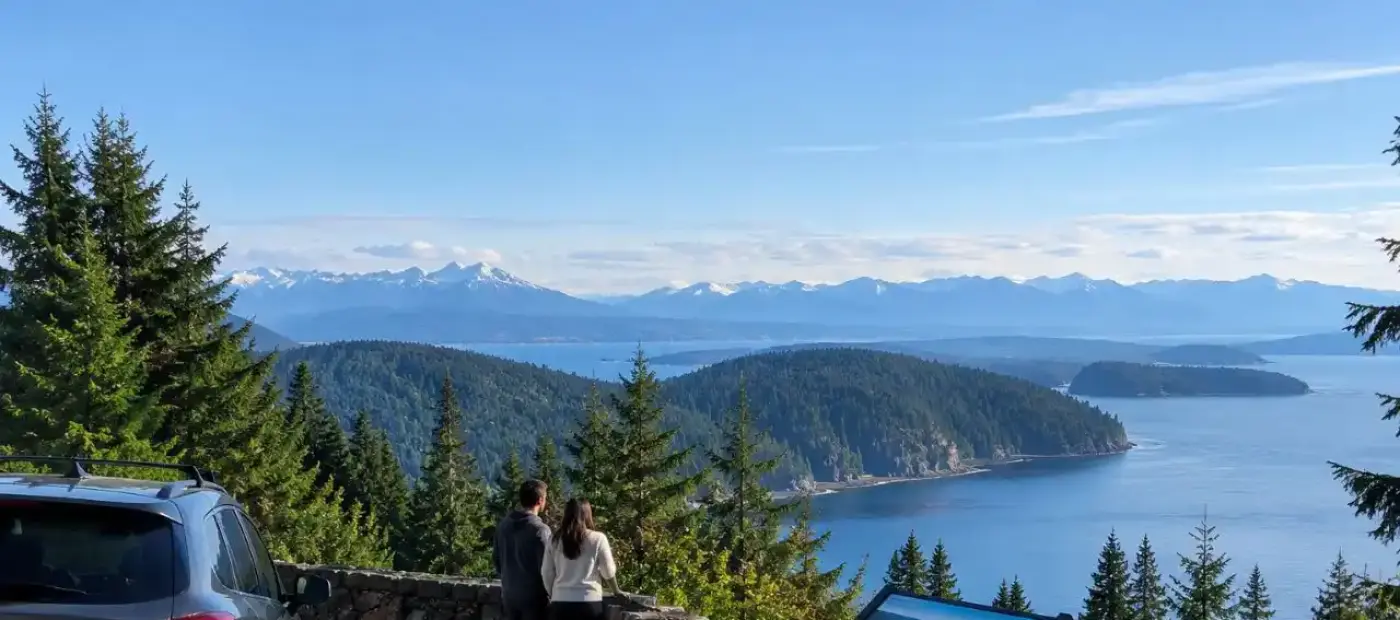
Olympic National Park is one of Washington’s most beautiful destinations, with mountains, forests, lakes, and Pacific Ocean beaches. However, the park covers a large area and has multiple entrances, so how far Olympic National Park is from Seattle depends on the specific destination. The distance is about 72 miles with the ferry, and the trip takes about 3 hours. Without taking a ferry, the distance is about 130 miles, with a similar travel time of around 3 hours. However, reaching popular attractions deeper inside the park can take 4 to 5 hours or more.

How Far is Olympic National Park from Seattle?
Planning a road trip from Seattle to Olympic National Park is a great way to explore mountains, forests, lakes, and the Pacific Coast. The park covers a large area, and the driving distance ranges from 80 to more than 170 miles, depending on the selected destination.
|
Destination |
Distance (Approx.) |
Travel Time |
|
Hurricane Ridge (near Port Angeles) |
80 miles |
2.5 to 3 hours |
|
Lake Crescent |
100 miles |
2.5 to 3 hours |
|
Hoh Rain Forest |
160 miles |
4 to 4.5 hours |
|
Rialto Beach |
168 miles |
4.5 hours |
How to Get to Olympic National Park from Seattle?
Olympic National Park is spread across the Olympic Peninsula. Visitors can either take a ferry across Puget Sound or drive south around Puget Sound through Tacoma or Olympia.
Northern Ferry Route
Taking a ferry is a popular and scenic way to start the trip. Take the Bainbridge Island Ferry from downtown Seattle. After getting off the ferry, follow WA-305 North and connect to US-101 West. Continue on US-101 around the Olympic Peninsula toward Port Angeles, following signs for Olympic National Park and surrounding attractions.

When finding out how far Olympic National Park is from Seattle, use another option. Drive to Kingston and then continue west on Highway 104 and Highway 101.
Drive Distance: Around 80 to 110 miles
Travel Time: 2.5 to 3.5 hours
Best For: Scenic views of the Seattle skyline and Sound, cutting down on actual behind-the-wheel mileage.
Southern Driving Route (Without Ferry)
Drive south out of Seattle on I-5 toward Tacoma. Take Highway 16 across the Tacoma Narrows Bridge, heading north on Highway 3 to cross the Hood Canal Bridge.

An alternative way to get from Seattle to Olympic National Park is to take I-5 South to Olympia, then head northwest on Highway 101 to enter the park through its southern gateway near Lake Quinault.
Drive Distance: Around 138 to 150 miles
Travel Time: 2.5 to 3 hours
Best For: When ferry waits are long, the southern or eastern side of the Olympic Peninsula is more convenient.
Best Places to Visit in Olympic National Park
The drive to Olympic National Park from Seattle leads to a scenic destination filled with mountains, lakes, rainforests, and beaches. Some of the best places to explore are:
Hurricane Ridge: Located high in the Olympic Mountains, it offers beautiful views of mountain peaks, valleys, and surrounding forests. Enjoy scenic drives, hiking, photography, and snow activities.
Lake Crescent: For those considering how far Seattle is from Olympic National Park, Lake Crescent makes a scenic stop. Surrounded by forested mountains, the lake offers kayaking, boating, fishing, hiking, picnic spots, and photography. Nearby, the Marymere Falls Trail is a popular short hike through the surrounding forest.
Hoh Rain Forest: Heavy rainfall creates a green landscape covered with moss, ferns, and towering trees. The Hall of Mosses Trail is an easy way to experience the rainforest. Another option in Olympic National Park from Seattle is the Spruce Nature Trail, which is best for exploring the area's vegetation.
Ruby Beach: Known for its dramatic Pacific Northwest coastline, Ruby Beach is a popular attraction in Olympic National Park. Large sea stacks, driftwood, rocky shores, and crashing waves create a classic Olympic National Park landscape. Enjoy sunset views, photography, beach walks, and explore tide pools.
Rialto Beach: On the drive from Seattle to Olympic National Park, Rialto Beach is a scenic coastal stop with a rocky shoreline and offshore sea stacks. A walk along the beach provides excellent views of the Pacific Ocean and surrounding coastal landscape.
Sol Duc Falls: Known for its old-growth forest, streams, waterfalls, and mountain scenery, Sol Duc Falls is accessed by a short forest trail. The area is ideal for enjoying forest scenery, hiking, waterfalls, mountains, and wildlife viewing.
Quinault Rain Forest: For those checking how far Olympic National Park is from Seattle, the Quinault area offers another beautiful way to experience the park’s temperate rainforest. The area around Lake Quinault features towering trees, moss-covered forests, and numerous hiking trails.
Kalaloch Beach: The beach is home to one of the area's most recognizable natural sights, the Tree of Life, whose roots stretch over a small eroded area near the beach. The surrounding coastline is also useful for scenic walks and photography.
Seattle Olympic National Park Itinerary
A single-day trip can be ideal for exploring one main area instead of trying to see the entire park. However, 2-3 days is a better choice for a relaxed drive from Seattle to Olympic National Park.

2-Day Olympic National Park Plan: To explore more places, two days can be ideal:
Day 1:
-
Start early from Seattle and drive toward Port Angeles.
-
After reaching Port Angeles, continue to Hurricane Ridge for mountain scenery and trails.
-
Drive to Lake Crescent and explore its deep blue waters.
-
Stay at Olympic Lodge by Ayres in Port Angeles.
Day 2:
-
Drive toward the Hoh Rain Forest and walk the Hall of Mosses Trail.
-
After exploring the rainforest, continue toward the Pacific Coast.
-
Drive back to Seattle through the southern route via Olympia.
3-Day Olympic National Park Plan: A three-day trip allows more time to explore.
Day 1:
-
Travel from Seattle to Port Angeles.
-
Enjoy mountain views from Hurricane Ridge and hike the 3.2-mile Hurricane Hill Trail.
-
Visit Lake Crescent, walk the Marymere Falls Trail, or visit Devil's Punchbowl.
-
Have dinner in Port Angeles and spend the night at Olympic Lodge by Ayres.
Day 2:
-
Visit Sol Duc Valley and hike the trail to Sol Duc Falls.
-
Drive through Forks toward the Pacific coast.
-
Walk along Rialto Beach, see sea stacks, and explore the driftwood-covered shore.
-
See tide pools, watch the sunset, and stay at a hotel or cabin in Forks.
Day 3:
-
Arrive at the Hoh Rain Forest early, walk the Hall of Mosses Trail, and explore the Spruce Nature Trail.
-
Visit Ruby Beach and explore the tide pools for marine life.
-
Drive south through Kalaloch, then take Highway 12 through Olympia back to Seattle.
Smart Tips for a Smooth Drive from Seattle to Olympic National Park
Since the park covers a large area, a little planning can make the trip more enjoyable. Here are some smart tips:
-
Leave Seattle early to avoid traffic and explore more places.
-
If taking the Bainbridge Island ferry, check departure times and arrive early.
-
Book a rental car in Seattle early, especially during busy periods.
-
Olympic National Park is spread out, so group nearby attractions together to reduce driving time.
-
Review current road closures, weather, ferry updates, and park alerts before driving.
-
Add time for traffic, ferry crossings, scenic stops, and changing road conditions.
-
Weather can change quickly, especially around Hurricane Ridge and the coast. Pack rain gear and clothes accordingly.
Wrapping Up!
Olympic National Park has several entrances. So how far Olympic National Park is from Seattle depends on the selected destination. The park is roughly 80 miles from Seattle to Port Angeles by ferry, with 3 hours of travel. A road route through Tacoma covers about 130 miles to Port Angeles and also takes around three hours. A rental car is one of the most convenient ways to explore the park because its major attractions are spread across a large area.
Questions readers ask
How far is Olympic National Park from Seattle?
The distance depends on the area being visited. Seattle to Port Angeles is about 70 miles via the ferry route, and via Tacoma is about 130 miles.
How to get to Olympic National Park from Seattle?
The park can be accessed from Seattle by taking a Washington State Ferry to Bainbridge Island or Kingston and continuing on Highway 101, or by driving through Tacoma or Olympia.
How far is Olympic National Park from Seattle airport?
The park is about 126 miles from Seattle-Tacoma International Airport. However, the distance can vary depending on which part of the park is visited.
How long does it take to drive from Seattle to Olympic National Park?
The drive takes 2.5 to 3.5 hours, depending on the specific destination.
Is there a ferry from Seattle to Olympic National Park?
There is no ferry that goes directly to the park. However, Washington State Ferries provides routes from the Seattle area to the Olympic Peninsula, after which travelers can continue by car.
Is Olympic National Park a good day trip from Seattle?
Yes, a one-day trip is ideal when focused on one or two nearby attractions rather than trying to see the entire park.
What is the closest entrance to Seattle?
The Staircase entrance or Hoodsport area is closest by land, while Port Angeles is the primary northern gateway via the ferry routes.
What is the best route if I want to visit Hoh Rain Forest first?
Drive south on I-5 through Olympia, take Highway 8/12 toward Aberdeen, and head north on Highway 101 directly to the southern park region.